
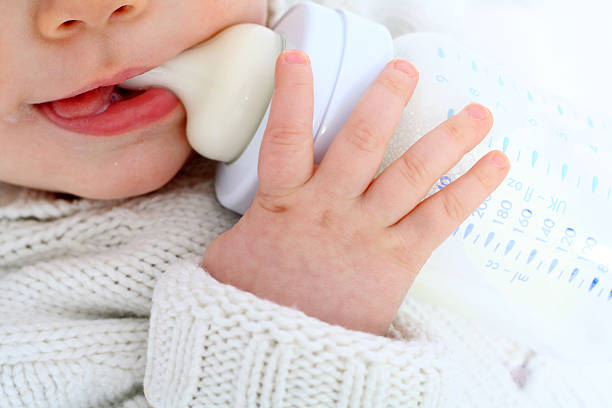
Bringing a newborn home is a mix of joy and nervousness. One of the first and biggest decisions parents face is how to feed their baby. Should you rely on baby formula, or should you stick to breastfeeding? Both options have their unique benefits, and the truth is—there is no one-size-fits-all answer. Every baby and every parent’s situation is different.
In this guide, we’ll explore the differences between breastfeeding and baby formula, their pros and cons, and how you can make the choice that works best for your family.
Why Feeding Choices Matter
The first year of your baby’s life is crucial for healthy growth. Proper nutrition builds strong immunity, supports brain development, and gives your child the energy to grow. Whether it’s breast milk or baby formula, what matters most is making sure your little one gets the nutrients they need.
Understanding Breastfeeding
Breastfeeding is often called nature’s perfect food for babies. It is full of antibodies, vitamins, and minerals that help your child fight off infections and stay healthy.
Benefits of Breastfeeding
- Boosts immunity: Breast milk contains antibodies that protect your baby from illnesses.
- Perfect nutrition: It has the right balance of protein, fat, and vitamins.
- Bonding experience: Skin-to-skin contact strengthens the emotional bond between mother and child.
- Cost-effective: Unlike formula, breast milk is free and always available.
Challenges of Breastfeeding
- Time and energy: Feeding on demand can be exhausting for new moms.
- Diet restrictions: Mothers may need to avoid certain foods that upset the baby.
- Physical discomfort: Issues like sore nipples, engorgement, or low milk supply can make breastfeeding difficult.
Understanding Baby Formula
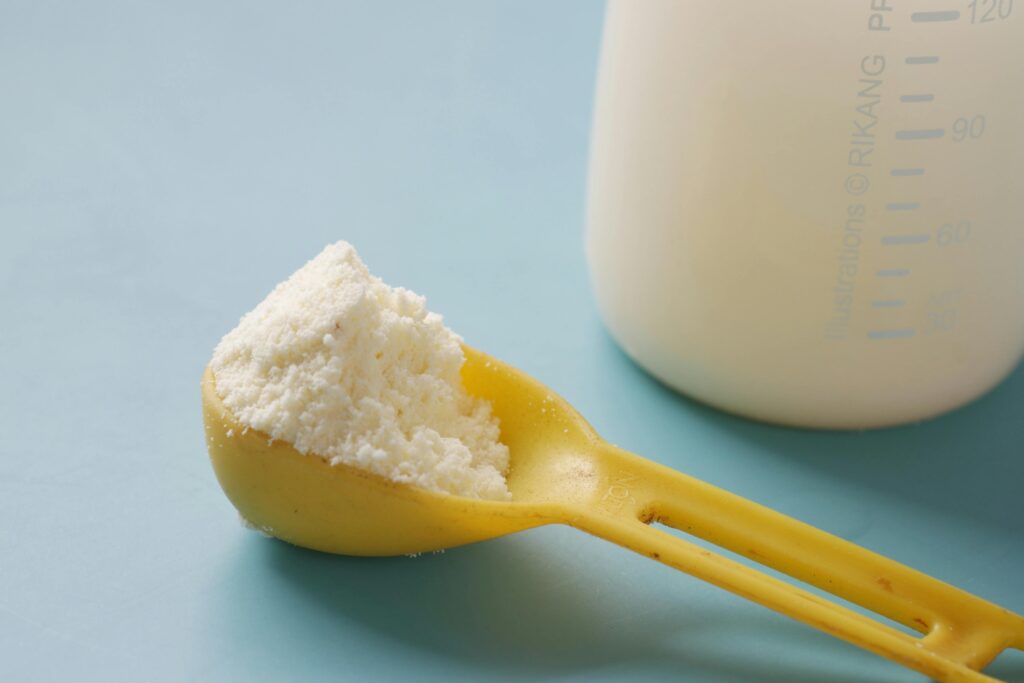
Baby formula is a specially prepared milk substitute designed to provide the nutrition infants need. It is a safe, regulated alternative for parents who cannot breastfeed or choose not to.
Benefits of Baby Formula
- Convenience: Anyone can feed the baby, giving mothers more flexibility.
- Diet freedom for mothers: No food or drink restrictions for moms.
- Measured intake: Parents know exactly how much the baby is consuming.
- Safe option: Modern formulas are designed to mimic breast milk as closely as possible.
Challenges of Baby Formula
- Cost: Formula can be expensive over months of feeding.
- Preparation time: Requires sterilizing bottles and mixing properly.
- No natural antibodies: Formula doesn’t provide the immune protection breast milk does.
Baby Formula vs. Breastfeeding: Side-by-Side Comparison
| Feature | Breastfeeding | Baby Formula |
|---|---|---|
| Nutrition | Natural, antibody-rich, balanced | Complete but lacks natural antibodies |
| Convenience | Always available, no prep needed | Easy to prepare, others can help feed |
| Cost | Free | Can be expensive |
| Bonding | Promotes skin-to-skin closeness | Bonding possible, but less natural |
| Health Benefits | Strengthens immunity, reduces infections | Safe but without immune-boosting agents |
How to Decide What’s Best for Your Child
Every family is unique, and so is every child. Here are some points to consider before deciding:
- Your Health Condition – Some medical conditions or medications may prevent breastfeeding. In such cases, baby formula is a safe and trusted alternative.
- Work and Lifestyle – If you’re returning to work or have a busy lifestyle, formula feeding may offer more flexibility.
- Emotional Well-being – Breastfeeding is natural, but it can also be stressful. If it’s causing more anxiety than comfort, switching to formula is okay.
- Combination Feeding – Some parents choose a mix of breastfeeding and formula feeding, which allows for balance.
Supporting Parents in Their Feeding Journey
No matter which path you choose, remember that being a good parent is not about how you feed your baby—it’s about giving them love, care, and a healthy start. If you’re struggling, don’t hesitate to seek guidance from pediatricians, lactation consultants, or parenting communities like Kidzy.
Tips for Breastfeeding Mothers
- Stay hydrated and eat a balanced diet.
- Nurse frequently to maintain milk supply.
- Use a comfortable nursing pillow to reduce strain.
- Don’t hesitate to ask for help if you face difficulties.
Tips for Parents Using Baby Formula
- Always follow the instructions on the packaging.
- Sterilize bottles and nipples properly.
- Store prepared formula safely and discard leftovers.
- Choose the right type of formula suited to your baby’s age and health.
The Emotional Side of Feeding Choices
It’s common for parents to feel judged about their feeding choices. Some may feel guilty for using formula, while others feel pressure to breastfeed even when it’s difficult. The truth is—what matters most is a healthy baby and a happy parent.
As a parent, trust your instincts. You know your child better than anyone. Whether it’s breast milk, baby formula, or a mix of both, your love is the most important ingredient in your baby’s growth.
Final Thoughts
When it comes to baby formula vs. breastfeeding, there is no wrong choice. Both options can provide your little one with the nutrition they need to thrive. Breastfeeding offers unmatched natural benefits, while formula feeding brings flexibility and convenience.
If you want to explore high-quality feeding products and baby care essentials, you can also check trusted stores like TotzPlay, which offer reliable products for modern parents.
At the end of the day, the best choice is the one that works for you, your baby, and your family.





